


When it comes to everyday portability, the weight of paper napkins is a crucial factor that often goes unnoticed. As a supplier of Paper Napkins Everyday, I've delved deep into understanding the significance of this aspect and how it impacts our daily lives.
The Importance of Lightweight Paper Napkins for Everyday Use
In our fast - paced world, people are constantly on the move. Whether it's a quick coffee break on the way to work, a picnic in the park, or a meal at a food truck, having a paper napkin at hand is essential. However, no one wants to carry around a heavy or bulky item. A lightweight paper napkin is the ideal solution.
Lightweight paper napkins are easy to slip into a pocket, purse, or backpack. They don't add significant weight to your belongings, allowing you to carry them without any extra burden. This portability factor makes them a must - have for people with busy lifestyles. For instance, a commuter can easily keep a few paper napkins in their pocket to wipe their hands after grabbing a snack on the train.
Determining the Optimal Weight
The optimal weight of paper napkins for everyday portability depends on several factors. First, the material used in the napkin plays a major role. Paper napkins can be made from different types of paper, such as virgin pulp, recycled paper, or a blend of both. Virgin pulp paper is often stronger but can be heavier, while recycled paper is generally lighter but may vary in strength.
Another factor is the thickness and size of the napkin. Thicker napkins are more absorbent but also heavier. On the other hand, thinner napkins are lighter but may not be as effective in cleaning up spills. A balance needs to be struck between absorbency and weight. For everyday use, a medium - thickness napkin that weighs between 10 to 20 grams per sheet is often the most practical. This weight allows for sufficient absorbency while still being lightweight enough for easy portability.
Our Product Line and Weight Considerations
At Paper Napkins Everyday, we understand the importance of finding the right weight for our customers. Our product line is carefully designed to meet the needs of different consumers. We offer a range of paper napkins, from ultra - lightweight options for those who prioritize portability to heavier, more durable ones for situations where absorbency is key.
Our ultra - lightweight napkins weigh around 10 grams per sheet. These are perfect for on - the - go use, such as when you're running errands or attending outdoor events. They are made from a blend of recycled paper, which not only reduces the weight but also makes them an environmentally friendly choice.
For more formal or home use, we have our standard - weight napkins, which weigh about 15 grams per sheet. These napkins are thicker and more absorbent, making them suitable for cleaning up larger spills or for use during meals. They are made from a high - quality virgin pulp paper, ensuring strength and durability.
Complementary Products for a Complete Dining Experience
In addition to our paper napkins, we also offer a variety of paper plates and cups that are designed to complement our napkin line. These products are also carefully crafted with portability and functionality in mind.
For a fun and colorful dining experience, check out our Pink Polka Dot Plates. These plates are not only lightweight but also add a touch of whimsy to any meal. They are made from sturdy paper that can hold food without breaking or leaking.
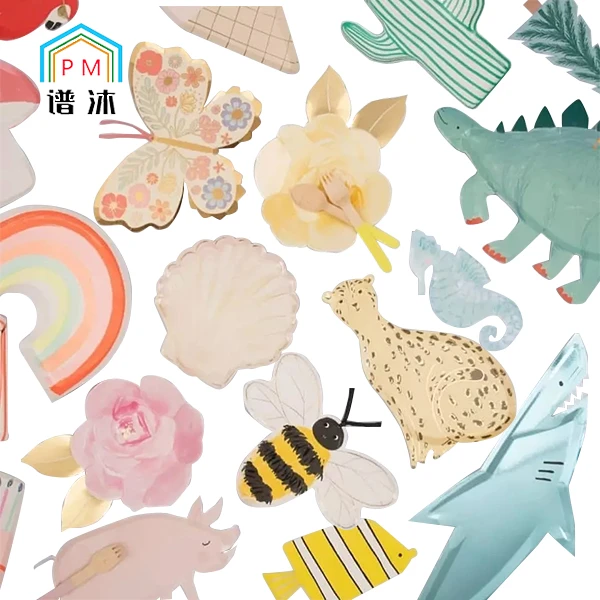
If you're looking for something more adventurous, our Zoo Paper Plates are a great choice. Featuring cute animal designs, these plates are perfect for kids' parties or family picnics. They are also lightweight and easy to carry around.
For an eco - friendly option, we recommend our Green Paper Plates and Cups. Made from recycled materials, these plates and cups are not only lightweight but also help reduce your carbon footprint.
The Impact of Weight on Cost and Sustainability
The weight of paper napkins also has an impact on cost and sustainability. Lighter napkins generally require less material, which can reduce production costs. This cost savings can be passed on to the consumer, making lightweight napkins a more affordable option.
From a sustainability perspective, lighter napkins are better for the environment. They require less energy to produce and transport, which reduces greenhouse gas emissions. Additionally, using recycled materials in the production of lightweight napkins helps conserve natural resources.
Customer Preferences and Feedback
Over the years, we've received a lot of feedback from our customers regarding the weight of our paper napkins. Many customers appreciate the lightweight options, especially for their portability. They find it convenient to carry a few napkins with them wherever they go, without having to worry about adding extra weight to their bags.
Some customers, however, prefer the heavier napkins for their absorbency. They use these napkins at home or during more formal meals, where they need to clean up larger spills. We take this feedback seriously and continue to improve our product line to meet the diverse needs of our customers.
Conclusion and Call to Action
In conclusion, the weight of paper napkins for everyday portability is an important consideration. At Paper Napkins Everyday, we are committed to providing our customers with high - quality paper napkins that are both lightweight and functional. Whether you're looking for a quick wipe - up on the go or a more absorbent napkin for a meal at home, we have the perfect solution for you.

If you're interested in learning more about our product line or would like to place an order, we encourage you to reach out to us. We're always happy to discuss your specific needs and help you find the right paper napkins for your lifestyle. Contact us today to start your journey towards a more convenient and sustainable dining experience.
References
- "The Science of Paper Manufacturing", Journal of Paper Science, 2020
- "Consumer Preferences for Paper Products", Market Research Report, 2021
- "Sustainable Packaging Solutions", Environmental Science Journal, 2019
