


In today's world, where environmental concerns are at the forefront of many discussions, the question of alternatives to everyday paper napkins has become increasingly relevant. As a supplier of Paper Napkins Everyday, I understand the practicality and convenience that paper napkins offer. However, it's also important to explore other options that might be more sustainable or suitable for different situations.
The Case for Paper Napkins
Paper napkins have long been a staple in households, restaurants, and various other settings. They are disposable, which means no need for washing and they are highly convenient. They come in different sizes, thicknesses, and designs, making them versatile for a range of uses. Whether it's wiping hands after a meal, cleaning up spills, or adding a touch of elegance to a dining table, paper napkins have proven their worth over the years.
One of the key advantages of paper napkins is their cost - effectiveness. They are relatively inexpensive to produce and purchase, making them accessible to a wide range of consumers. Additionally, they are hygienic as they are used once and then discarded, reducing the risk of cross - contamination.
Alternatives to Paper Napkins
Cloth Napkins
Cloth napkins are perhaps the most obvious alternative to paper napkins. They are reusable, which significantly reduces waste. Made from various materials such as cotton, linen, or a blend of both, cloth napkins can be highly absorbent. They also add a touch of elegance to any dining experience.
Cotton cloth napkins are soft and comfortable to use. They are easy to launder and can last for a long time with proper care. Linen napkins, on the other hand, are more absorbent and have a more luxurious feel. They are often associated with formal dining settings. However, it's important to note that cloth napkins require regular washing, which consumes water and energy. Also, they may need ironing to maintain a neat appearance, which adds to the overall effort and cost.
Bamboo Napkins
Bamboo is a fast - growing and renewable resource, making bamboo napkins an eco - friendly option. Bamboo fibers are naturally antibacterial and absorbent. They are also soft to the touch and can be used in a similar way to paper napkins.
Bamboo napkins are biodegradable, which means they will break down naturally over time, reducing their impact on the environment. They can be a great choice for those who are looking for a sustainable alternative without sacrificing functionality. However, bamboo napkins may be more expensive than paper napkins, which could be a deterrent for some consumers.
Banana Leaf Napkins
In some cultures, banana leaves have been used as a natural alternative to paper napkins for centuries. Banana leaves are large, flexible, and have a natural texture that makes them suitable for wiping. They are completely biodegradable and can be sourced locally in many tropical regions.
Using banana leaf napkins can be a unique and eco - friendly experience. They add a touch of authenticity to a meal, especially when used in a tropical or ethnic setting. However, they are not as readily available in all parts of the world, and they may have a shorter lifespan compared to other alternatives.
Considerations When Choosing an Alternative
Cost
Cost is an important factor for many consumers. While paper napkins are generally inexpensive, some alternatives like bamboo napkins or high - quality cloth napkins can be more costly upfront. However, when considering the long - term cost, reusable alternatives may be more cost - effective as they don't need to be replaced as frequently.
Convenience
Convenience is another crucial aspect. Paper napkins are incredibly convenient as they can be used and discarded without any further effort. Cloth napkins, on the other hand, require washing and sometimes ironing. Banana leaf napkins may need to be sourced and prepared, which can be time - consuming.
Environmental Impact
The environmental impact of the choice cannot be ignored. Paper napkins contribute to deforestation and waste generation. Reusable alternatives like cloth, bamboo, or banana leaf napkins have a much lower environmental footprint as they reduce waste and often use renewable resources.

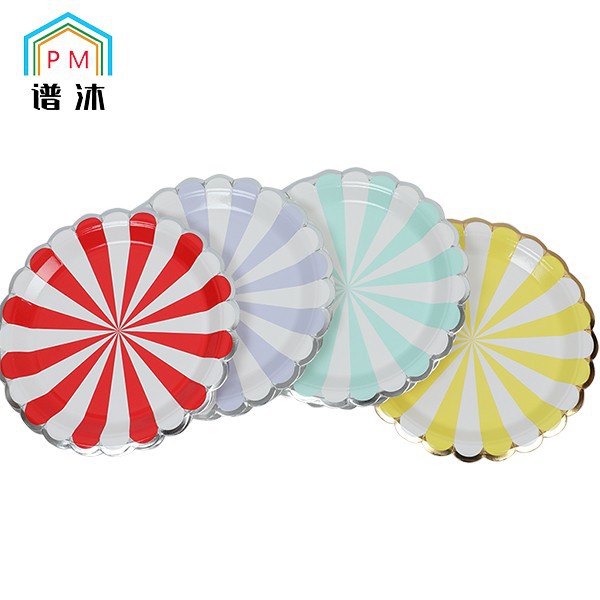
Complementary Products
As a supplier of Paper Napkins Everyday, I also offer a range of complementary paper products. For example, you can check out our Eco Friendly Paper Plates, which are a great addition to any meal. These plates are made from sustainable materials and are designed to be environmentally friendly.
If you're looking for something more upscale, our Upscale Paper Plates are the perfect choice. They have a sophisticated design and are suitable for formal events. And for those who want to add a splash of color to their dining table, our Multicolor Paper Plates are sure to impress.
Conclusion
In conclusion, while paper napkins have their advantages in terms of cost and convenience, there are several alternatives available that offer different benefits, especially in terms of sustainability. Whether you choose cloth napkins for their elegance, bamboo napkins for their eco - friendliness, or banana leaf napkins for their uniqueness, there is an option to suit every need and preference.
As a supplier, I am committed to providing high - quality paper products, but I also encourage consumers to consider the environmental impact of their choices. If you're interested in learning more about our paper napkins or any of our complementary products, I invite you to reach out for a procurement discussion. We can work together to find the best solution for your everyday needs.
References
- "The Environmental Impact of Paper Products" - Journal of Environmental Studies
- "Sustainable Alternatives to Disposable Tableware" - Sustainable Living Magazine
- "Materials for Reusable Napkins: A Comparative Analysis" - Textile Research Journal
