


In the modern world, environmental sustainability has become a pressing concern for individuals, businesses, and governments alike. As a supplier of Paper Napkins Everyday, I often receive questions from customers about the recyclability of our products. This blog post aims to provide a comprehensive answer to the question: Can paper napkins be recycled after everyday use?
Understanding the Basics of Paper Recycling
Before delving into the recyclability of paper napkins, it's essential to understand the general process of paper recycling. Paper recycling involves collecting used paper products, sorting them by type and quality, and then processing them into new paper products. The process typically includes the following steps:
- Collection: Used paper products are collected from various sources, such as households, businesses, and recycling centers.
- Sorting: The collected paper is sorted into different categories based on its type, quality, and fiber content. This step is crucial to ensure that the recycled paper meets the quality standards required for different applications.
- Pulping: The sorted paper is then shredded and mixed with water to create a pulp. During this process, the paper fibers are broken down and separated from any contaminants, such as ink, glue, and dirt.
- Cleaning and Deinking: The pulp is further cleaned and deinked to remove any remaining impurities and color. This step is essential to produce high-quality recycled paper.
- Refining and Bleaching: The cleaned pulp is refined to improve its strength and smoothness. It may also be bleached to achieve the desired brightness and color.
- Forming and Drying: The refined and bleached pulp is then formed into sheets and dried to create new paper products.
Factors Affecting the Recyclability of Paper Napkins
While paper napkins are made from paper, their recyclability depends on several factors, including:

- Contamination: Paper napkins are often used to wipe hands, faces, and surfaces, which can result in contamination with food, grease, oil, and other substances. Contaminated paper napkins are difficult to recycle because the contaminants can interfere with the recycling process and reduce the quality of the recycled paper.
- Fiber Quality: The quality of the paper fibers used to make paper napkins can also affect their recyclability. Paper napkins are typically made from short fibers, which are less durable and more difficult to recycle than long fibers. Additionally, the fibers in paper napkins may be weakened or damaged during the manufacturing process, making them less suitable for recycling.
- Recycling Infrastructure: The availability and efficiency of the recycling infrastructure in a particular area can also impact the recyclability of paper napkins. In some areas, recycling facilities may not have the necessary equipment or processes to recycle paper napkins effectively. In other areas, the demand for recycled paper products may be low, making it less economically viable to recycle paper napkins.
Can Paper Napkins Be Recycled?
In general, paper napkins that are clean and free of contaminants can be recycled. However, due to the factors mentioned above, many recycling facilities do not accept paper napkins for recycling. This is because the cost of processing contaminated or low-quality paper napkins may outweigh the benefits of recycling them.
If you are unsure whether your local recycling facility accepts paper napkins, it's best to check with them directly. Some recycling facilities may have specific guidelines or requirements for recycling paper napkins, such as separating them from other paper products or ensuring that they are clean and dry.
Alternatives to Recycling Paper Napkins
If your local recycling facility does not accept paper napkins, there are several alternatives to recycling them, including:
- Composting: Paper napkins that are made from natural fibers, such as wood pulp or bamboo, can be composted. Composting is a natural process that involves breaking down organic materials, such as food scraps, yard waste, and paper products, into a nutrient-rich soil amendment. Composting paper napkins can help reduce waste and create a valuable resource for gardening and landscaping.
- Reusing: Instead of throwing away paper napkins after a single use, you can reuse them for other purposes, such as cleaning, dusting, or wiping up spills. Reusing paper napkins can help extend their lifespan and reduce the amount of waste generated.
- Switching to Cloth Napkins: Cloth napkins are a more sustainable alternative to paper napkins because they can be washed and reused multiple times. While cloth napkins require more initial investment and maintenance than paper napkins, they can save money in the long run and reduce the environmental impact of using disposable paper products.
Our Commitment to Sustainability
As a supplier of Paper Napkins Everyday, we are committed to sustainability and environmental responsibility. We understand the importance of reducing waste and conserving natural resources, and we are constantly looking for ways to improve the sustainability of our products and operations.
To minimize the environmental impact of our paper napkins, we use high-quality, sustainably sourced paper fibers and eco-friendly manufacturing processes. We also encourage our customers to recycle our products whenever possible and to consider alternative options, such as composting or reusing, if recycling is not available.
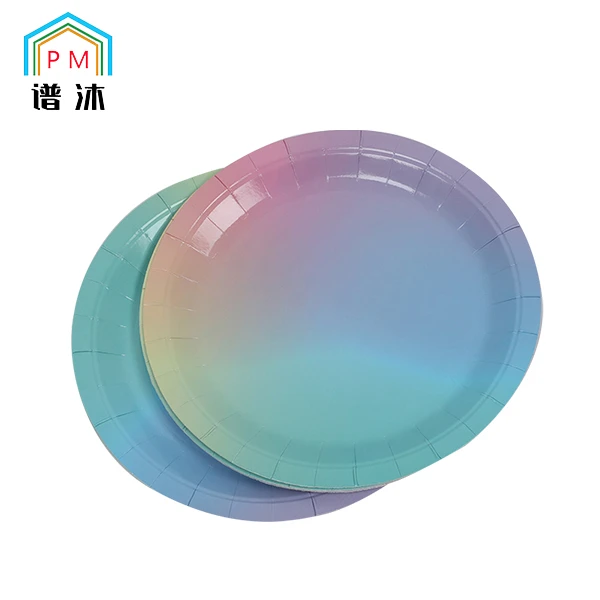
In addition to our commitment to sustainability, we also offer a wide range of other eco-friendly paper products, including Personalised Paper Plates and Multicolor Paper Plates. These products are made from recycled paper fibers and are designed to be both functional and stylish.
Conclusion
In conclusion, the recyclability of paper napkins depends on several factors, including contamination, fiber quality, and recycling infrastructure. While clean and uncontaminated paper napkins can be recycled, many recycling facilities do not accept them due to the challenges associated with processing them. If your local recycling facility does not accept paper napkins, there are several alternatives to recycling them, such as composting, reusing, or switching to cloth napkins.
As a supplier of Paper Napkins Everyday, we are committed to sustainability and environmental responsibility. We encourage our customers to make informed choices about the products they use and to take steps to reduce their environmental impact. If you have any questions or concerns about the recyclability of our products, please do not hesitate to contact us. We would be happy to provide you with more information and to help you find the best solution for your needs.
References
- American Forest & Paper Association. (n.d.). Paper Recycling Basics. Retrieved from https://www.paperrecycles.org/recycling-basics/
- Environmental Protection Agency. (n.d.). Recycling Paper. Retrieved from https://www.epa.gov/recycle/recycling-paper
- Recycle Nation. (n.d.). Can You Recycle Paper Napkins? Retrieved from https://www.recyclenation.com/2012/03/can-you-recycle-paper-napkins/
