


Paper napkins are a ubiquitous presence in our daily lives, used across the globe for a variety of purposes. As a supplier of Paper Napkins Everyday, I've had the privilege of observing how different cultures interact with these simple yet essential items. In this blog, I'll explore the cultural differences in the use of paper napkins and how these variations can influence our business decisions.
Cultural Differences in Usage
Western Cultures
In Western cultures, particularly in the United States and Europe, paper napkins are commonly used during meals. They are seen as a practical way to keep clean, wiping hands and mouths throughout the dining experience. At formal dinners, there are even specific etiquette rules regarding the use of napkins. For example, the napkin is typically placed on the lap as soon as one sits down at the table. It is used to blot the lips rather than to rub vigorously, and it should never be used to clean silverware or glasses.
In casual settings, such as fast - food restaurants, paper napkins are provided in abundance. People often grab a handful, expecting to use them freely to deal with messy foods like burgers, fries, and pizza. The emphasis here is on convenience and practicality.
Asian Cultures
In many Asian cultures, the use of paper napkins may be less prevalent compared to other alternatives. In countries like Japan, for instance, traditional dining often involves the use of cloth napkins or small, folded towels called oshibori. These are usually provided at the beginning of a meal, either hot or cold, and are used to clean hands before eating.
In some parts of Asia, especially in more rural or traditional settings, people may rely more on their hands for eating certain foods. In these cases, water and a basin are often provided for hand - washing instead of paper napkins. However, in modern urban areas and Western - style restaurants, the use of paper napkins is becoming more common, especially when dealing with Western - style cuisine.
Middle Eastern Cultures
In Middle Eastern cultures, hospitality is highly valued, and the use of paper napkins is often associated with the presentation of food. When serving guests, hosts may use paper napkins to present small snacks or finger foods. Paper napkins are also used during meals, but there is a greater emphasis on sharing food from communal dishes. As a result, people may use napkins to handle the food gently and to keep their hands clean while eating.
Cultural Differences in Design and Preferences
Western Preferences
In Western markets, there is a high demand for a wide variety of paper napkin designs. For special occasions like Valentines Day Paper Plates, paper napkins are often designed to match the theme. These may feature hearts, roses, and other romantic symbols. For children's parties, designs can range from cartoon characters to bright, colorful patterns.
The quality of paper napkins also matters in Western cultures. Consumers often look for thick, absorbent napkins that can handle spills and messes effectively. Brands that offer soft and durable paper napkins tend to be more popular.
Asian Preferences
In Asian cultures, simplicity and elegance are often preferred in paper napkin design. Neutral colors and minimalist patterns are common, especially for formal events. However, for festivals and celebrations, there may be a preference for traditional motifs and colors. For example, red is a lucky color in Chinese culture, and paper napkins with red accents or traditional Chinese patterns may be used during Chinese New Year.
In terms of quality, Asian consumers may also value softness and absorbency, but there may be a greater tolerance for thinner napkins, especially in more budget - conscious markets.
Middle Eastern Preferences
Middle Eastern consumers often appreciate paper napkins with rich, bold colors and intricate patterns. These can be inspired by traditional Middle Eastern art, such as geometric shapes and floral designs. The napkins may also be used as part of the overall decoration of the dining table, adding to the aesthetic appeal of the meal.
Impact on Our Business as a Paper Napkins Everyday Supplier
Understanding these cultural differences is crucial for our business. We need to tailor our product offerings to meet the specific needs and preferences of different markets.
For Western markets, we should focus on producing a diverse range of designs for various occasions. We can also invest in research and development to improve the quality of our paper napkins, making them thicker and more absorbent. Additionally, we can collaborate with event planners and restaurants to offer customized paper napkins for special events.

In Asian markets, we need to balance the traditional preferences with the growing demand for paper napkins. We can introduce products that combine traditional Asian aesthetics with modern functionality. For example, we could create paper napkins with traditional Japanese or Chinese patterns, while ensuring they are soft and absorbent.
In Middle Eastern markets, we should emphasize the design aspect of our paper napkins. By incorporating traditional Middle Eastern patterns and colors, we can appeal to local consumers. We can also work with local distributors to ensure our products are readily available in the market.
Related Product Links
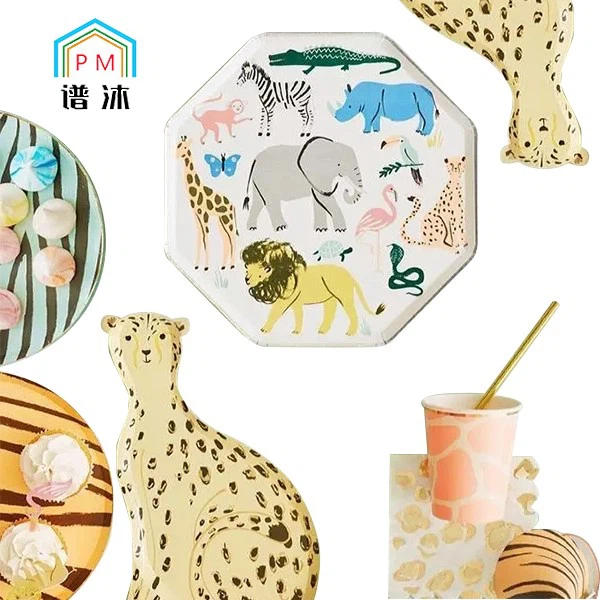
As a supplier, we also offer a range of related products. If you're looking for unique paper plates to complement your paper napkins, check out our Valentines Day Paper Plates, Zoo Paper Plates, and Biodegradable Paper Plates. These products are designed to meet the diverse needs of different cultures and occasions.
Contact for Procurement
If you're interested in purchasing our paper napkins or related products, we'd love to hear from you. Whether you're a restaurant owner, an event planner, or a retailer, we can provide you with high - quality products at competitive prices. Please reach out to us to start a procurement discussion.
References
- "Cultural Differences in Dining Etiquette" by International Business Etiquette Institute
- "The Role of Paper Products in Different Cultures" by Journal of Cultural Studies
- "Consumer Preferences for Paper Products in Global Markets" by Market Research International
