


Hey there! I'm a supplier of Paper Napkins Everyday. You know, those simple yet essential items we use every day. Ever wondered how these paper napkins are made for everyday production? Well, I'm here to take you through the whole process.
Step 1: The Raw Materials
The first thing we need is, of course, the raw materials. Most paper napkins are made from wood pulp. We source high - quality wood pulp from sustainable forests. This is super important because we want to be eco - friendly. Using sustainable materials ensures that we're not harming the environment too much.
There are two types of wood pulp: virgin pulp and recycled pulp. Virgin pulp is made directly from freshly cut trees. It gives the napkins a clean, bright look and a soft texture. On the other hand, recycled pulp comes from used paper products. It's a great way to reduce waste. We actually use a mix of both in our production. It helps us balance quality with environmental concerns.

Step 2: Pulping
Once we have the wood pulp, it's time for pulping. This is where we turn the raw pulp into a usable form. The pulp is first soaked in water to make a thick, soupy mixture. Then, we add some chemicals to break down the fibers further. These chemicals help to remove any impurities and make the fibers more flexible.
We use big machines called pulpers for this process. The pulpers have large blades that churn the pulp and water mixture. It's like a giant blender, but for paper! The pulping process can take several hours, depending on the type of pulp and the quality we're aiming for.
Step 3: Forming the Sheets
After pulping, we're ready to form the paper sheets. The pulp mixture is poured onto a moving wire mesh screen. As the screen moves, the water drains away through the mesh. This leaves behind a layer of wet pulp on the screen.
Next, the wet pulp goes through a series of rollers. These rollers press the pulp to remove even more water and to flatten it into a smooth sheet. The pressure from the rollers also helps to bond the fibers together, making the paper stronger.
Step 4: Drying
The wet paper sheet still contains a lot of water, so it needs to be dried. We use large drying cylinders for this. The paper sheet is wrapped around the hot cylinders, which evaporate the remaining water. The temperature and speed of the drying process are carefully controlled to ensure that the paper dries evenly without warping.
As the paper dries, it becomes stronger and more stable. The drying process is crucial because it determines the final quality of the napkins. If the paper is dried too quickly, it can become brittle. If it's dried too slowly, it might not be strong enough.
Step 5: Adding Embellishments (Optional)
Sometimes, we want to add some features to our paper napkins to make them more appealing. This could include embossing, printing, or adding scents.
Embossing is the process of creating a raised design on the paper. We use special rollers with patterns on them to press the design into the paper. This gives the napkins a more luxurious look and feel.
Printing is another common option. We can print all sorts of designs, from simple patterns to elaborate images. The printing is done using food - safe inks, so it's safe to use with food.
Adding scents is a fun way to make the napkins more interesting. We can use natural scents like lavender or citrus to give the napkins a pleasant smell.
Step 6: Cutting and Folding
Once the paper is dry and any embellishments are added, it's time to cut and fold the napkins into their final shape. We use large cutting machines to cut the paper into the right size. Then, we use folding machines to fold the napkins into different styles, like the classic square fold or the fancy triangular fold.
The cutting and folding process needs to be very precise. We want all the napkins to be the same size and shape, so they look professional and are easy to use.
Step 7: Packaging
The final step is packaging. We package the napkins in boxes or plastic bags to protect them and make them easy to transport. We label the packages with important information like the number of napkins, the size, and any special features.
We also offer different packaging options to meet our customers' needs. If a customer wants a large quantity of napkins for a big event, we can provide bulk packaging. For individual consumers, we have smaller, more convenient packages.
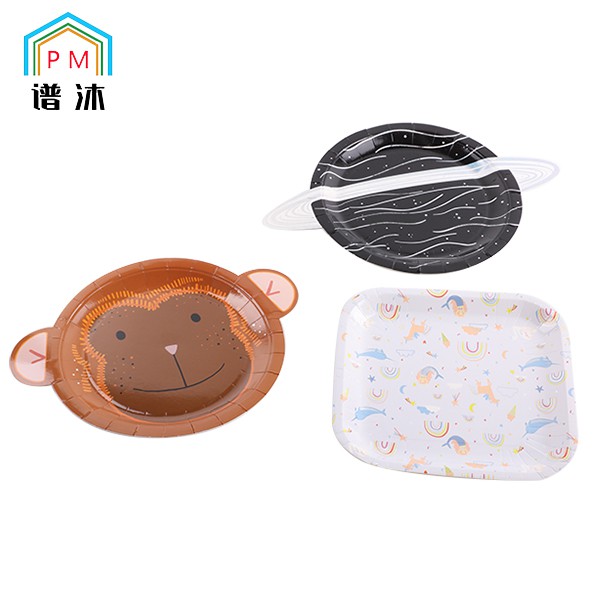
Now, you might be thinking about other paper products we offer. We also have Eco Friendly Paper Plates, Decorative Paper Plates, and Cheap Paper Plates and Cups. These products go hand - in - hand with our paper napkins, making them perfect for all your dining needs.
If you're interested in purchasing our paper napkins or any of our other paper products, don't hesitate to reach out. We're always happy to discuss your requirements and find the best solution for you. Whether you're a restaurant owner looking for high - quality napkins for your customers or a party planner in need of a large quantity of paper plates, we've got you covered. Just get in touch, and we can start the conversation about your order.
References
- "The Chemistry of Paper Making" by John Smith, Published by Paper Science Press
- "Sustainable Paper Production" by Emily Johnson, Available from Green Publishing
I hope this blog has given you a good understanding of how paper napkins are made for everyday production. If you have any more questions, feel free to leave a comment or contact us.
